Sponsored · Press release
FOR IMMEDIATE RELEASE
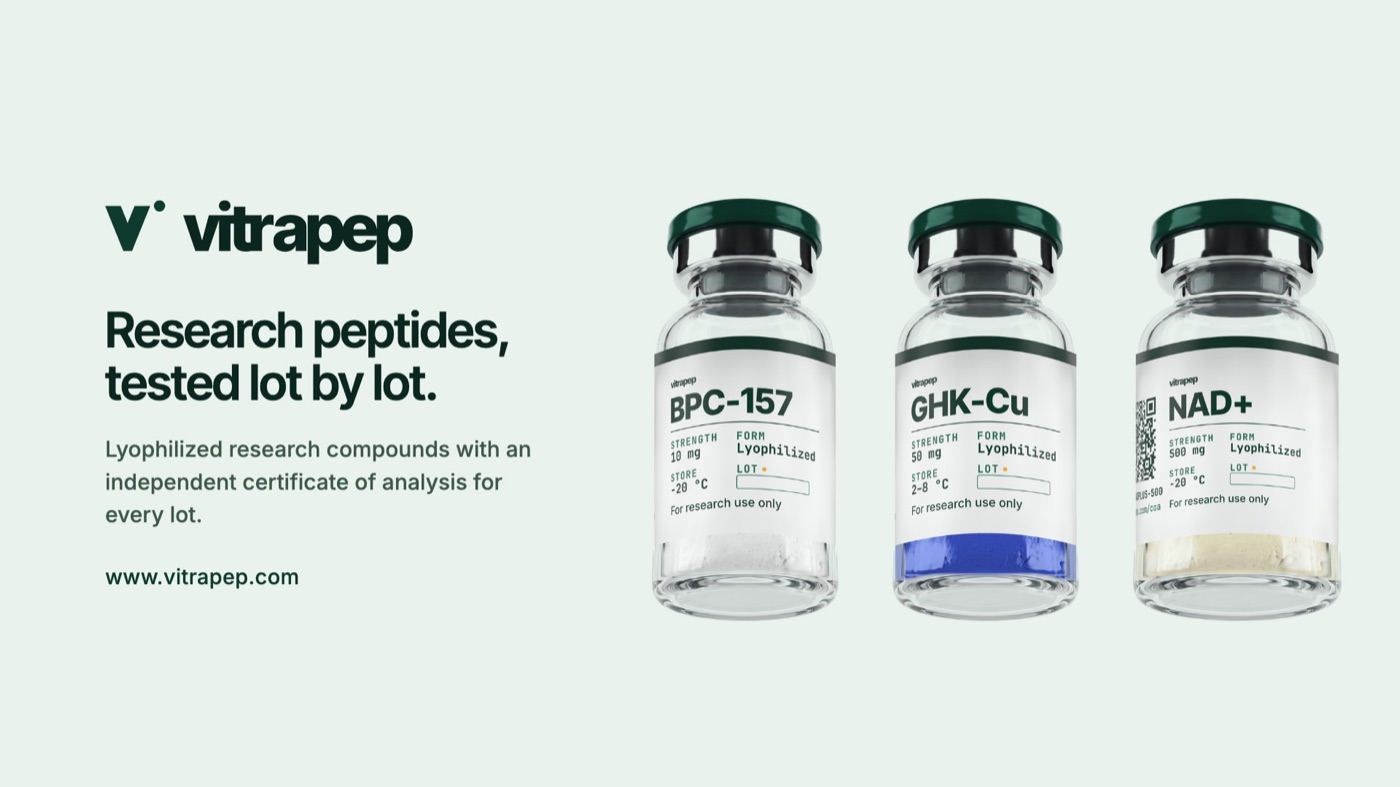
Vitrapep is building its presence in the United States research peptide market with a focus on product transparency, analytical testing and batch-level documentation. The company aims to make it easier for qualified researchers and laboratories to evaluate research-use peptide materials by bringing product information and available Certificates of Analysis (COAs) together.
Vitrapep’s catalogue features peptide materials intended strictly for laboratory and in-vitro research. Its approach is centered on clear product information and access to documentation associated with individual research lots.
Vitrapep’s published quality framework describes manufacturer testing followed by independent laboratory testing. Depending on the product and batch, reported analytical methods may include high-performance liquid chromatography (HPLC) for purity analysis, mass spectrometry for identity evaluation, net-content measurement and endotoxin screening. Testing scope can vary, so purchasers should consult the COA for the specific lot.
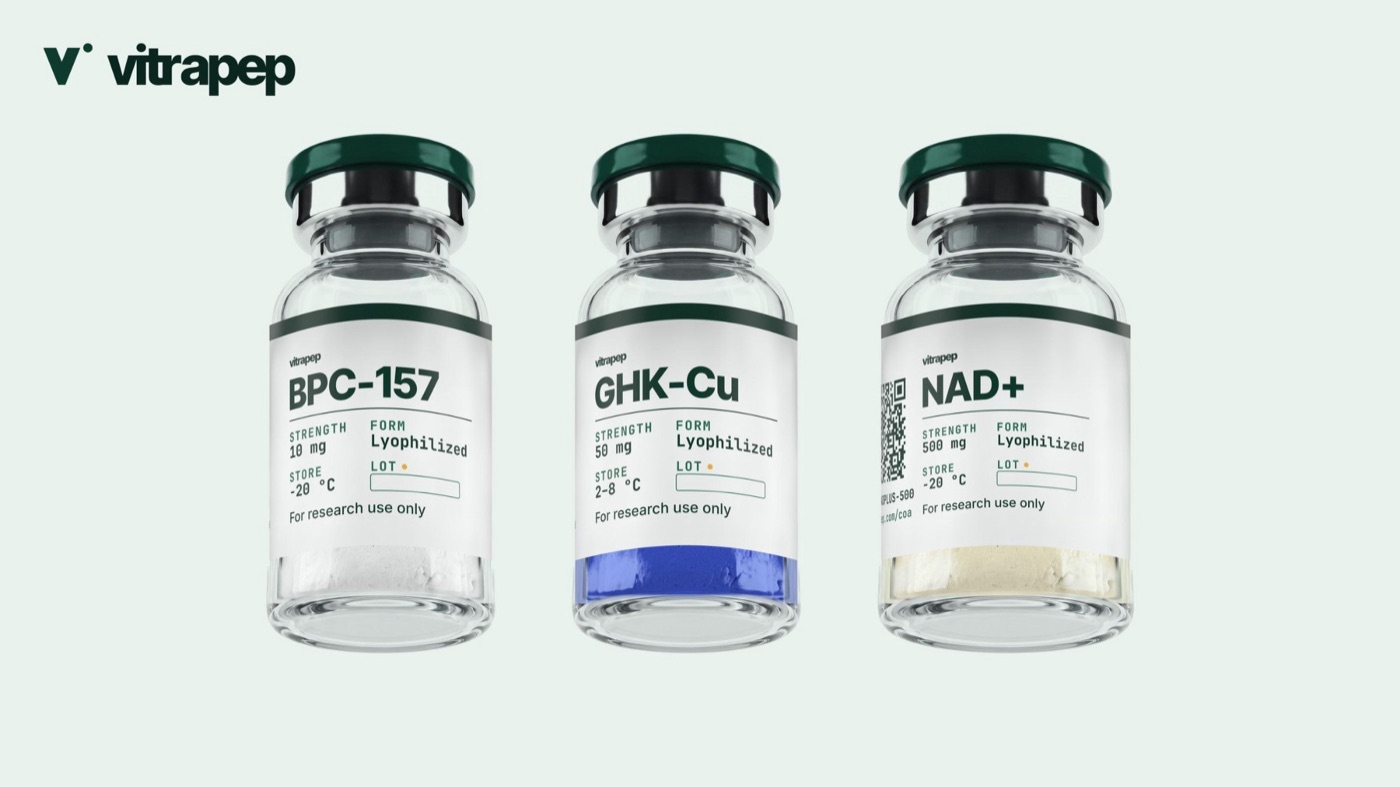
A Certificate of Analysis records the tests performed and results reported for a particular batch. Vitrapep emphasizes lot identification and access to corresponding documentation, helping research purchasers review available analytical information and maintain procurement records.
With its emphasis on testing, traceability and accessible documentation, Vitrapep aims to establish itself among the best research peptide suppliers in the United States. The company believes that informed sourcing starts with clear information about the specific material being evaluated.

Researchers and laboratory buyers can explore the catalogue and learn more about Vitrapep at https://www.vitrapep.com/.
Vitrapep is a research-use peptide supplier serving the United States research market. The company focuses on laboratory and in-vitro research materials, with an emphasis on product information, analytical documentation and batch traceability.
All products are intended strictly for laboratory and in-vitro research only. They are not intended for human or veterinary use, consumption, diagnosis, treatment, cure or prevention of any disease.